Wellness guide · The DayDreamer Journal
Float Tanks: A First-Timer's Guide
Warm salt water, no light, no sound, no effort. Here's exactly what happens in a float tank, what it feels like, and how to make your first session a good one.
Almost everyone approaches their first float with the same two thoughts: this sounds incredible, and also, am I going to panic in there? Both are completely normal, and the second one almost never happens. Floating is one of the gentlest things you can do to your nervous system, and the reason it feels dramatic is simply that most of us have never once removed every input at the same time.
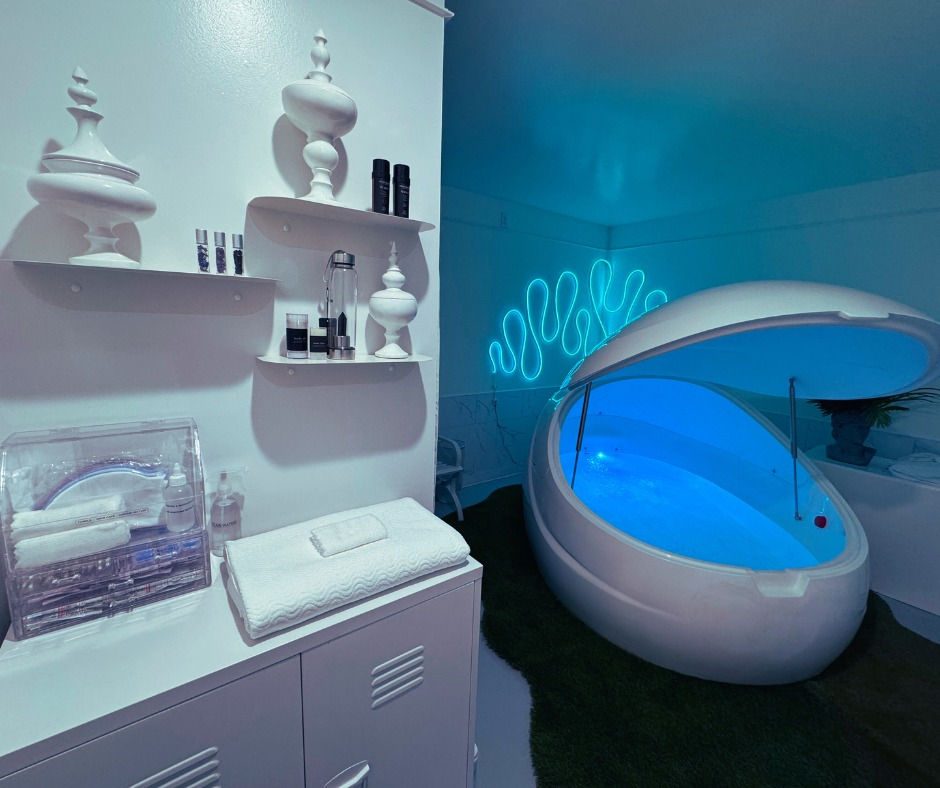
Our float tanks live at LUNARA, the spa on property. A 60-minute float session is $75. You do not need to be an overnight guest to book one. Here is everything worth knowing before you go in.
What a float tank actually is
A float tank is a shallow, enclosed pool of water saturated with Epsom salt, magnesium sulfate, at a concentration high enough that a human body cannot sink. The water is only about a foot deep and heated to roughly skin temperature. It is dark and it is quiet, and that combination is the entire technology.
Because the water matches your body temperature, your skin loses track of where you end and the water begins. Because the salt does the work of holding you up, your muscles have nothing to brace against, including the dozens of small postural muscles that never fully switch off during a normal day. And because there is no light and no sound, your brain stops spending energy on surveillance. The formal term for all this is REST, reduced environmental stimulation therapy, which is a very clinical name for lying in warm water doing absolutely nothing.
What a session feels like, minute by minute
Minutes 0 to 5. You shower, step in, lie back, and immediately feel absurd. Your neck will try to hold your head up out of habit. Let it go. The water has you. Most people fidget here, adjust three times, and wonder if they are doing it right. You are.
Minutes 5 to 15. The chatter phase. Your to-do list arrives, then a conversation from Tuesday, then a song. This is the part first-timers mistake for failure. It is not. It is the backlog clearing. Breathe slowly out, longer than you breathe in, and stop trying to manage it.
Minutes 15 to 40. Something shifts. Boundaries get vague, you lose track of your hands, and time stops behaving. Many people drift into a state between waking and sleep, the same place your mind goes in the last minute before you fall asleep, except it lasts. Some people fall fully asleep, which is fine, you will not sink or roll over.
Minutes 40 to 60. Deep quiet. Then music fades in, or the light comes up, to bring you back. You will move slowly and slightly reluctantly. Everybody does.
The benefits people report
Research on floatation is still young, but the findings are consistent and the mechanisms are plausible. Studies of float-REST report meaningful reductions in anxiety and self-reported stress after a single session, along with improved mood and lower blood pressure. Athletes use it for recovery, and there is evidence for reduced muscle soreness and perceived pain in chronic pain populations, particularly tension-related pain in the neck and lower back.
The most common report we hear is about sleep. Guests who float in the afternoon frequently describe the best night's sleep they have had in months, which makes sense: floating pushes the body firmly into a parasympathetic, rest-and-digest state, and that carries over.
There is also the less measurable part. An hour with nothing to look at, react to, scroll, or answer is a rare experience in 2026. A lot of people come out having decided something they had been circling for weeks. Our deeper piece on float therapy benefits goes further into the research.
How to prepare
Eat something light an hour or two beforehand. Arriving starving is distracting; arriving stuffed is worse. Skip caffeine for a few hours if you can, since the goal is a nervous system that will actually stand down.
Do not shave or wax the same day. Epsom salt on fresh razor burn is a memorable lesson you only need once. If you have small cuts, the spa will have petroleum jelly to seal them. You will shower before and after, and the pre-float shower matters, because oils and product interfere with the water.
You float without a swimsuit if you want to; the room is private. Suits are fine too, though the seams eventually become the only thing you can feel. Contacts come out. Long hair goes up. Give yourself a buffer afterward: do not schedule anything sharp-edged for the following hour.
Tips that make a real difference
Use the neck pillow or halo if one is offered, especially on your first float. Try arms overhead in a loose Y rather than at your sides; it opens the chest and most people find it easier. Keep salt water away from your eyes, and keep a towel within reach outside so you are not blindly patting around later.
You can leave whenever you want. The door does not lock, and the lid stays as open as you like. Knowing that is usually enough to make the claustrophobia question disappear. If silence feels like too much, ask for ambient music for the first half.
And if your first float felt busy rather than blissful, book a second one. Almost everybody's second float goes deeper than their first, because your body already knows the room.
Pairing a float with the rest of your day
Floating stacks beautifully. Sauna first to loosen, then float, then a slow afternoon, is our favorite sequence. Bodywork after a float lands differently because the muscles are already unclenched. Sound bed therapy works well right before, as a runway.
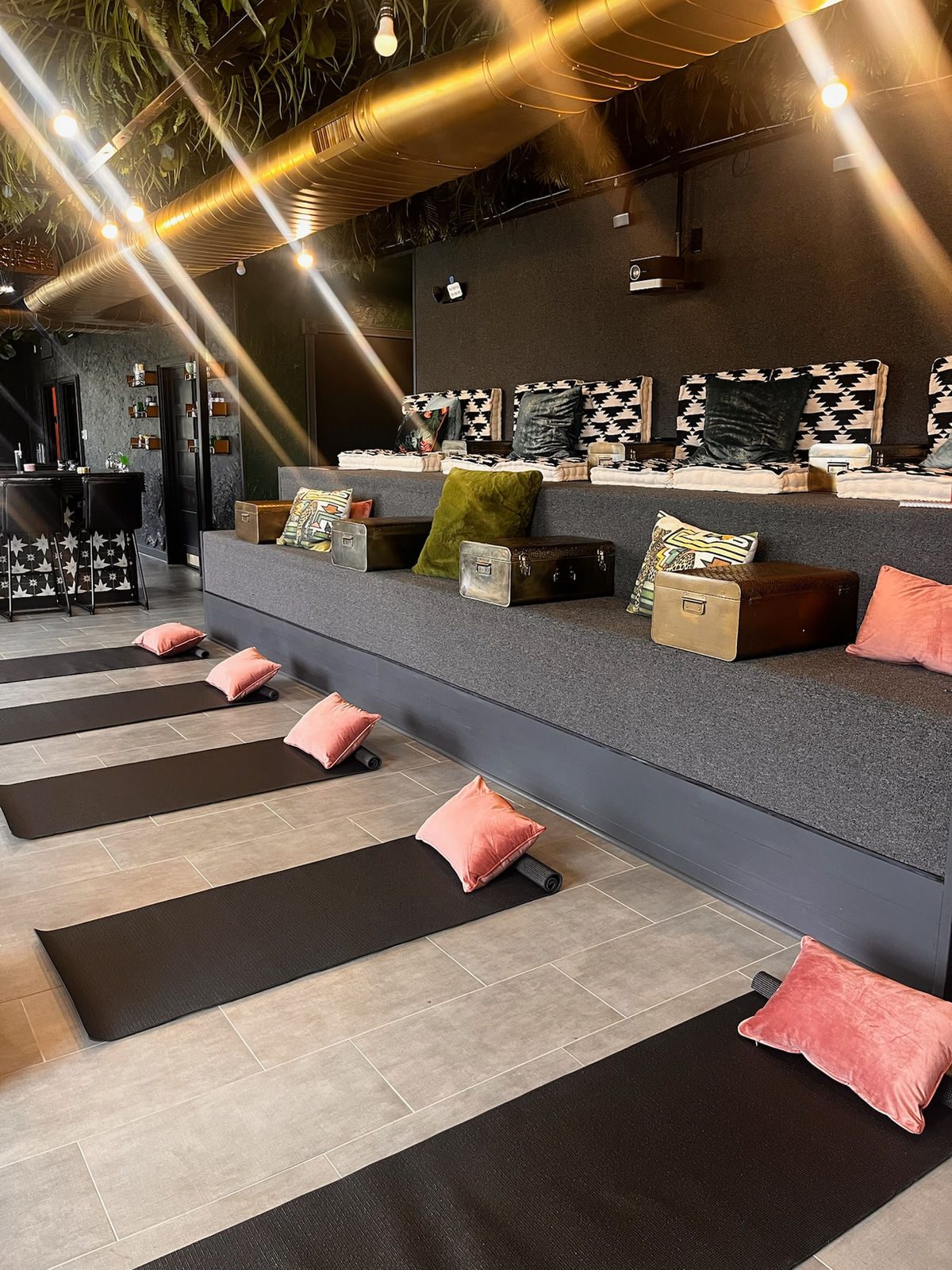
If you want the full version, our Michigan wellness retreat page lays out how guests build a two-night reset with wellness classes, a spa sequence and quiet hours on the acreage. Read the full treatment menu at LUNARA Spa.
Book direct · best rate
Float, then sleep in a dome
Sixty minutes of nothing at all, followed by the best night's sleep of your month.